

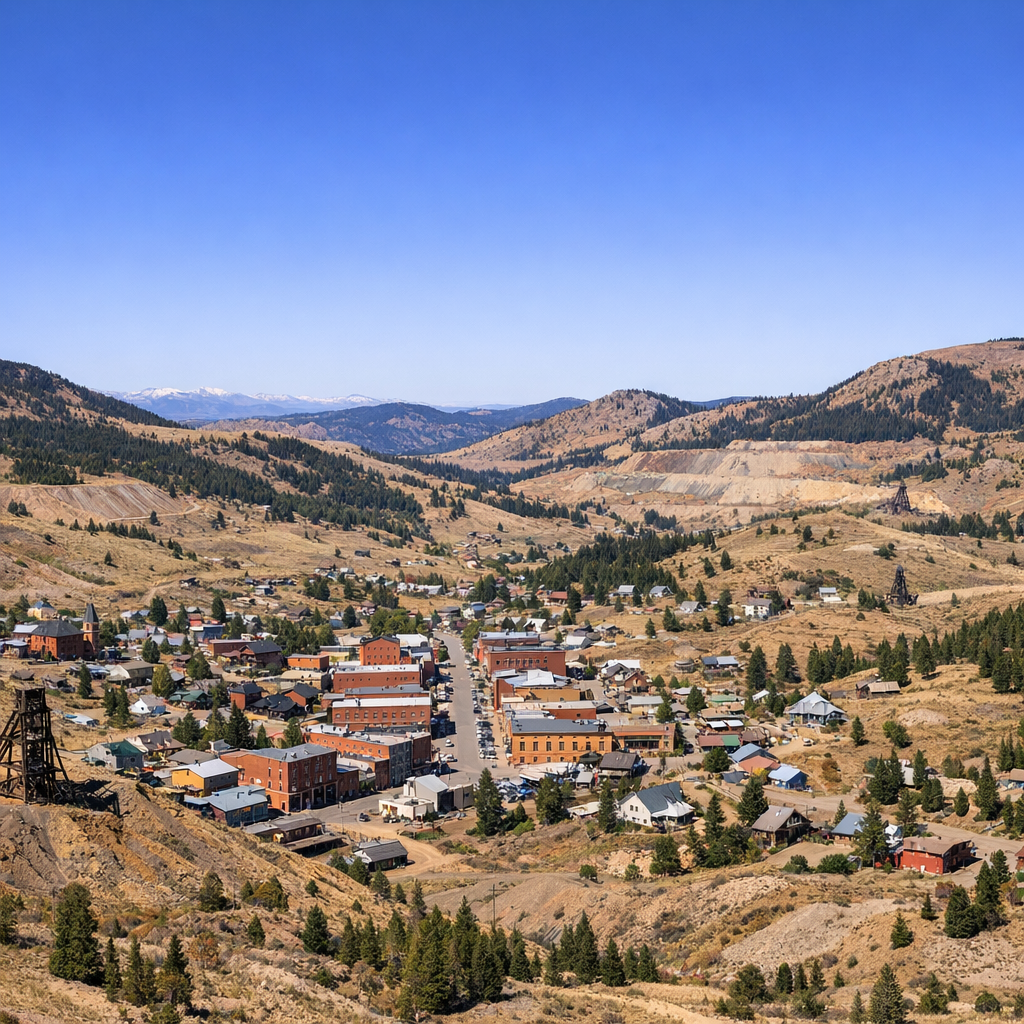
Victor, Colorado, nestled in the Rocky Mountains, experiences a unique climate that shapes daily life and the local environment. Understanding these patterns is essential for residents and visitors alike.
Seasonal Overview
Victor’s climate is characterized by distinct seasons:
Winter
Winters are cold, with average low temperatures around 13.1°F in January. Snowfall is common, contributing to the region’s picturesque landscapes.
Spring
Spring brings gradual warming, with average highs reaching 46.8°F in April. This season often sees increased precipitation, averaging 1.79 inches in April, supporting the blooming of local flora.
Summer
Summers are mild, with average highs of 72.2°F in July. July is also the wettest month, averaging 4.52 inches of rainfall, often in the form of afternoon thunderstorms.
Autumn
Autumn sees cooling temperatures, with average highs of 53.1°F in October. Precipitation decreases, and the region’s foliage offers vibrant displays of color.
Environmental Considerations
Victor’s climate influences various environmental factors:
- Growing Season: The average growing season is brief, typically from late June to late August, due to the risk of frost.
- Water Resources: The area receives an average annual precipitation of 18.3 inches. Efficient water use is crucial, especially during drier periods.
- Wildlife: Seasonal changes affect local wildlife behaviors, including migration and hibernation patterns.
By understanding these climatic patterns, residents can better prepare for seasonal changes and contribute to the sustainability of Victor’s natural environment.